Teachers, police, firefighters and EMTs
Good Neighbor Next Door
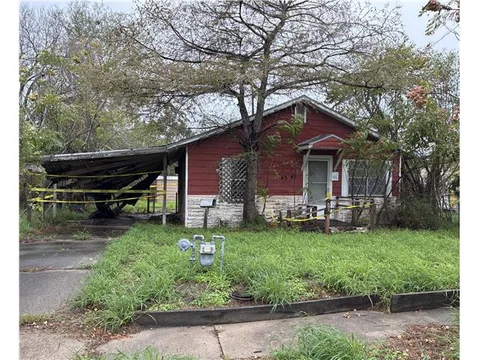
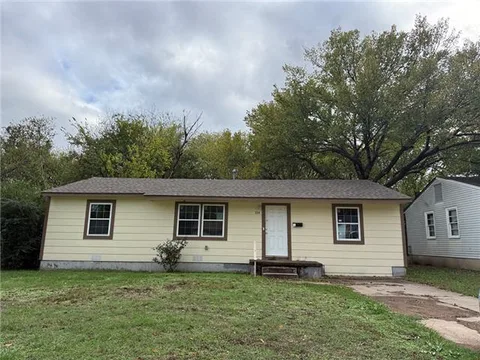
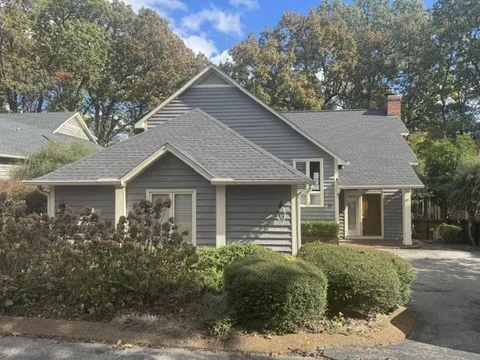
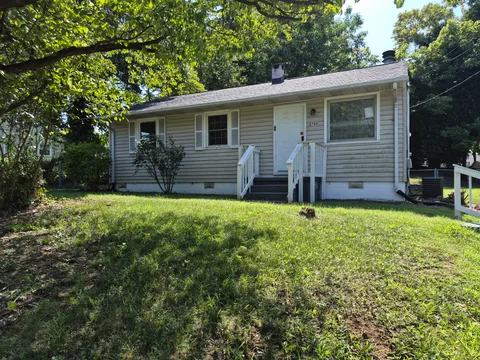
HUD’s Good Neighbor Next Door (GNND) program sells homes in revitalization areas to teachers, law enforcement officers, firefighters and EMTs for 50% off the list price.
How does the Good Neighbor Next Door 50% discount work?
You offer the full list price and HUD takes 50% off. The discount becomes a second mortgage with no payments or interest, released after you live in the home for 36 months.
- You offer the exact list price. HUD takes 50% off, so you pay half.
- The discount becomes a “silent second” mortgage to HUD, with no payments and no interest.
- After you’ve lived in the home for 36 months, the silent second is released and the discount is yours.
Who qualifies for Good Neighbor Next Door?
Full-time pre-K to 12th grade teachers, law enforcement officers, firefighters and EMTs who will live in the home for 36 months and don’t own other residential property.
- You work full-time as a law enforcement officer, a pre-K to 12th grade teacher, a firefighter or an emergency medical technician, and will for at least 12 months after closing.
- Teachers must serve students in the area where the home is; firefighters and EMTs must buy in the area they serve.
- You and your spouse don't own other residential property, and haven't in the 12 months before your offer.
- You live in the home as your only residence for 36 months. HUD recertifies occupancy every year.
Each Good Neighbor listing has an eligibility checker that walks through these rules for that home.
How much is the down payment on a Good Neighbor home?
$100 with an FHA loan, and closing costs may be financed into the loan. VA loans, conventional loans and cash also work.
With an FHA-insured loan, the down payment is only $100, and closing costs may be financed into the loan. You can also use a VA loan, a conventional loan or cash.
HUD doesn’t pay closing costs on Good Neighbor purchases. Down payment assistance may help; ask whether a program can be combined with Good Neighbor before you bid.
How do I bid on a Good Neighbor Next Door home?
A HUD-registered agent submits your bid for the exact list price before the deadline, and HUD picks the winner by lottery from the eligible bids.
- Each Good Neighbor home is offered for a short window, shown as the deadline on the listing.
- A HUD-registered agent submits your bid for the exact list price on HUD Home Store.
- Every eligible bid received by the deadline goes into a lottery, and HUD picks the winner at random.
- The earnest money deposit is 1% of the list price, at least $500 and no more than $2,000.
Good Neighbor history
HUD doesn’t keep a public archive of past Good Neighbor homes, so USAHUDS records every offering the first time it’s listed. See every Good Neighbor home ever offered, with totals by state and year.
Want help with your situation?
We'll go over the programs you may qualify for and connect you with a local agent and lender who know HUD homes.
Source: HUD’s Good Neighbor Next Door fact sheet (revision May 28, 2026).
Last reviewed November 13, 2026. USAHUDS is not affiliated with HUD. Program rules change; confirm details with HUD, your lender and a HUD-registered broker before you bid.
See what a Good Neighbor home costs.
Move the slider to a list price for an estimate at 50% off with $100 down.
- Your price (50% off)
- $90,000
- Discount from HUD
- $90,000
- Down payment with FHA
- $100
- Est. monthly payment (FHA, 30 yr, 6.5%)
- $619/mo
- Earnest money (1%, $500 to $2,000)
- $1,800
Estimate only. The monthly payment includes FHA mortgage insurance but not taxes, insurance or HOA dues. Earnest money is credited back at closing. You must own and occupy the home for three years.