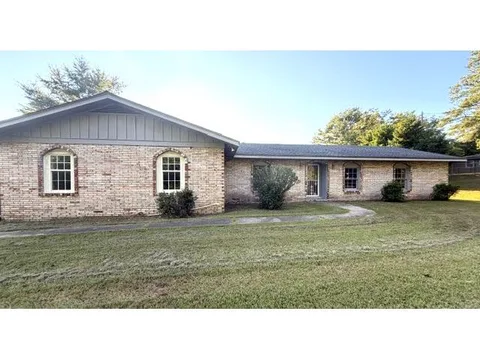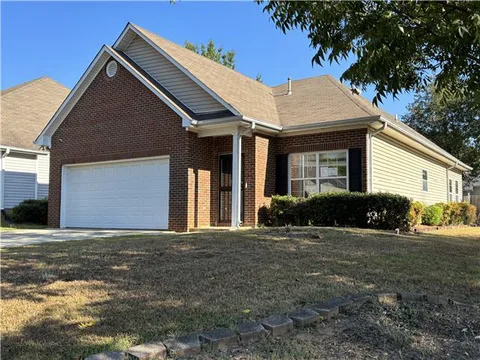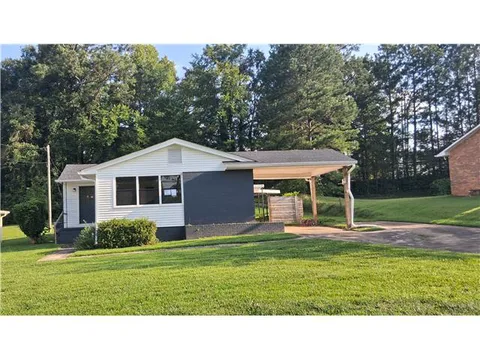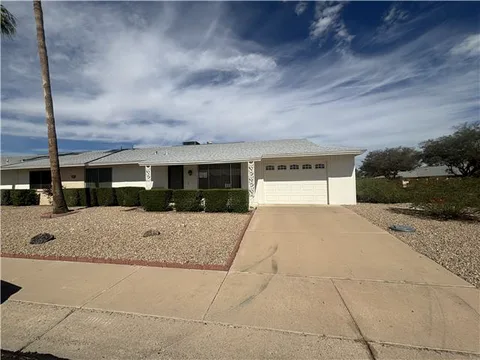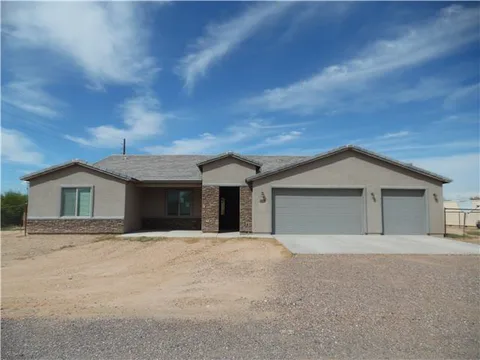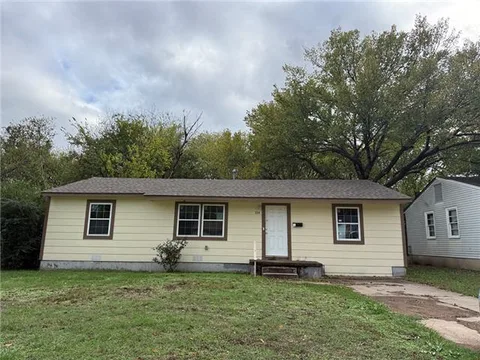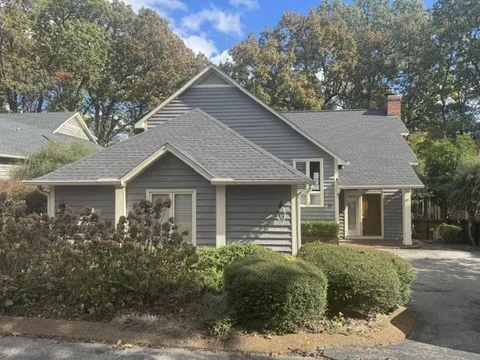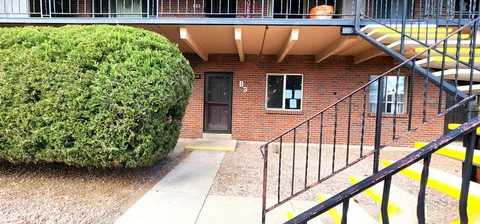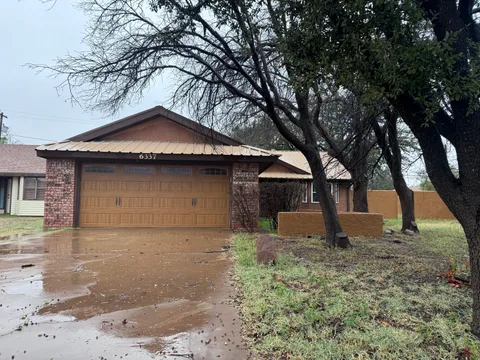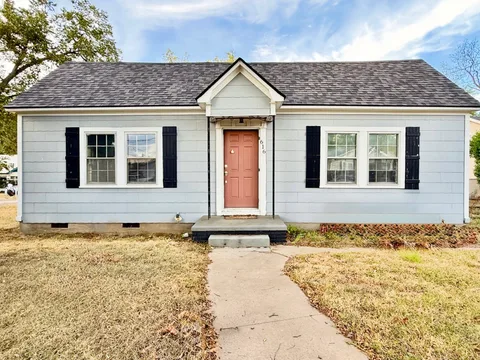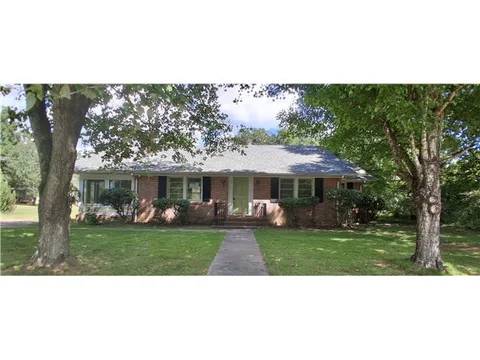
Find remarkable discounts on HUD-owned houses.
Explore $100 down payment opportunities, closing cost assistance, Good Neighbor Next Door 50% discount, and more ways to save on your next home.
- Teachers
- Police officers
- Firefighters
- Emergency medical technicians
Just listed
Newly listed HUD homes.
Estimate your purchase
See what a Good Neighbor home costs.
Eligible homes sell at 50% off list. FHA financing reduces the down payment from 3.5% to $100, and closing costs can be financed into the mortgage.
How Good Neighbor Next Door works- Your price (50% off)
- $90,000
- Discount from HUD
- $90,000
- Down payment with FHA
- $100
- Est. monthly payment (FHA, 30 yr, 6.5%)
- $619/mo
- Earnest money (1%, $500 to $2,000)
- $1,800
Estimate only. The monthly payment includes FHA mortgage insurance but not taxes, insurance or HOA dues. Earnest money is credited back at closing. You must own and occupy the home for three years.
How it works
What to expect when buying a Good Neighbor Next Door home.
Visit our FAQ section
Visit our FAQ section to learn details concerning the GNND program.
Connect with us
Click on the "Schedule an appointment" button to connect with us.
Enter the drawing
If you meet the qualifications, we will enter your name in the drawing before the deadline. HUD will randomly select a winner and two backups. You can't bid above or below list price.
Close on your home
After your name is selected, you will sign a contract with HUD. After HUD approval, you will have 15 days to inspect your home. Closing will be 30 - 60 days after contract approval.
Browse by state
HUD homes in every state.
FAQ
Good Neighbor Next Door FAQs
Do I have to be a classroom teacher?
If you are qualifying as an educator, you must be a full-time, state-certified classroom teacher. Support staff do not qualify for this program. Additionally, you must teach in the school district where the home is located or in an accredited charter or private school.
Can I bid higher or lower than list price?
No, this is a random drawing where every qualified prospect has an equal chance of being selected. HUD randomly selects winners from the list of social security numbers of those who have entered the drawing.
What does it mean to not own a home?
HUD requires that neither you nor your spouse, if married, have had ownership interest in a residential property in the past 12 months. Therefore, if you sold and closed on your home more than 12 months ago and have not purchased a new one since, you will qualify for the GNND program.
What if the house is in poor condition?
HUD prices the homes based on their condition and sells them “AS IS.” If you don’t have the cash for desired renovations, you can use a special mortgage program called FHA 203K. This program lets you choose how to repair or remodel the home and increases your home loan to cover those costs. The home must appraise for the combined amount of the purchase price and the repair costs.
What happens after three years?
After three years of occupancy, HUD will release your GNND second mortgage. At that point, you have several options. You can choose to use the property as a rental investment, continue living in it as your primary residence, or sell the home and keep the profits.
What type of closing costs should I expect?
The lender will give you an estimated breakdown of closing costs. Included in these costs is the buyer premium, which will be paid to the Realtor. HUD mandates that participants use a HUD-certified broker and requires GNND participants to cover the broker’s fees. This amount can be included in the buyer’s FHA mortgage.
How often can I buy these homes?
You can only purchase one GNND home in your career.
Can I buy any HUD home at 50% off through the GNND program?
No, HUD designates which homes qualify for the GNND program. Homes in their inventory located in “revitalization areas” are eligible for the program. These areas typically have a higher-than-average FHA foreclosure rate and a higher renter-to-homeowner ratio.
What are the details regarding the three year requirement?
The goal of the program is for contributing members of our society to invest in and bring stability to certain neighborhoods. To achieve this, HUD requires participants to own and occupy their GNND home for three years.
How does HUD enforce the three year requirement?
When you close on a GNND home, you sign a GNND second mortgage with HUD for the amount of the discount you received on the home. This second mortgage allows HUD to monitor your home ownership. There is no interest or monthly payment associated with this second mortgage. If you sell your home before the 36-month anniversary, HUD will be notified and will require a prorated repayment of the GNND discount. For each month you own and occupy the home, HUD forgives 1/36th of the GNND second mortgage. After 36 months, the second mortgage is automatically released. Additionally, HUD will send you a yearly certification form that you must sign, confirming that you have continued to own and occupy the home.
Does GNND offer special financing?
There are incentives for participants to use FHA financing through their lender of choice. Specifically, your down payment is reduced from 3.5% to $100, and you can finance all of your closing costs into your mortgage.
What is the earnest money requirement?
If your social security number is selected in the GNND electronic drawing, you will need to sign a contract, provide a prequalification letter, and submit an earnest money check equal to 1% of the home’s list price (before the 50% discount). The earnest money has a minimum of $500 and a maximum of $2,000. This earnest money is held with the buyer’s title company and will be credited back to the buyer at closing.